Importance of Scheduling
Scheduling well makes the difference between a chaotic shoot and a calm, productive 2-3 hour session; you should plan around toddler nap windows, bring snacks, and have older kids bring a device or activity to stay occupied. I provide toys for toddlers and we usually do family and sibling portraits first so kids are engaged, then move to baby-only shots. Neutral, simple outfits help you get timeless images without multiple outfit changes.
Timing for Toddlers
When toddlers are involved, aim for the session to hit their most cooperative window-typically within an hour after they wake or up to 30 minutes before a nap. For example, if nap time is 1:00 PM, a 10:30-11:00 AM start often lets you capture family and sibling portraits before fatigue sets in. Bring a couple of bribery items like stickers or a favorite snack to keep momentum.
Session Length Considerations
Expect 2-3 hours on the clock because feeding, diaper changes, breaks, and toddler warm-ups take real time; you should plan for pauses and outfit simplicity to avoid delays. Family portraits normally come first unless a toddler needs extra time to adjust to the studio, then you’ll switch order so everyone stays happy and engaged.
Typical timing breakdown I use: 30-45 minutes for family and sibling groupings, 15-30 minute break for feeding or calming, then 45-60 minutes focused on newborn poses and details, with a 15-30 minute buffer for hiccups-totals land squarely in that 2-3 hour window. You should bring snacks, a device for older kids, and I’ll have toys ready to make those windows productive.
Preparing for the Session
Plan for a 2-3 hour session so you aren’t rushed; timing matters-schedule around your toddler’s nap for the best family and sibling shots. Bring snacks and drinks, and have older kids bring a device or quiet activity to keep them occupied. I have toys for toddlers and generally base family and sibling portraits around their needs, using bribery when necessary. We usually do family portraits first unless a toddler needs time to warm up, then finish with baby-focused shots.
Essential Items to Bring
Bring snacks, water, and a small first-aid kit plus wipes. Pack 6-8 diapers, a changing pad, pacifiers, and an extra blanket for wrapping baby. Older kids should bring a device, coloring book, or small toy to stay busy; I also have studio toys for toddlers. Include one or two backup outfits for everyone and any comfort item your child prefers-these small things save time during a 2-3 hour session.
Outfits and Color Choices
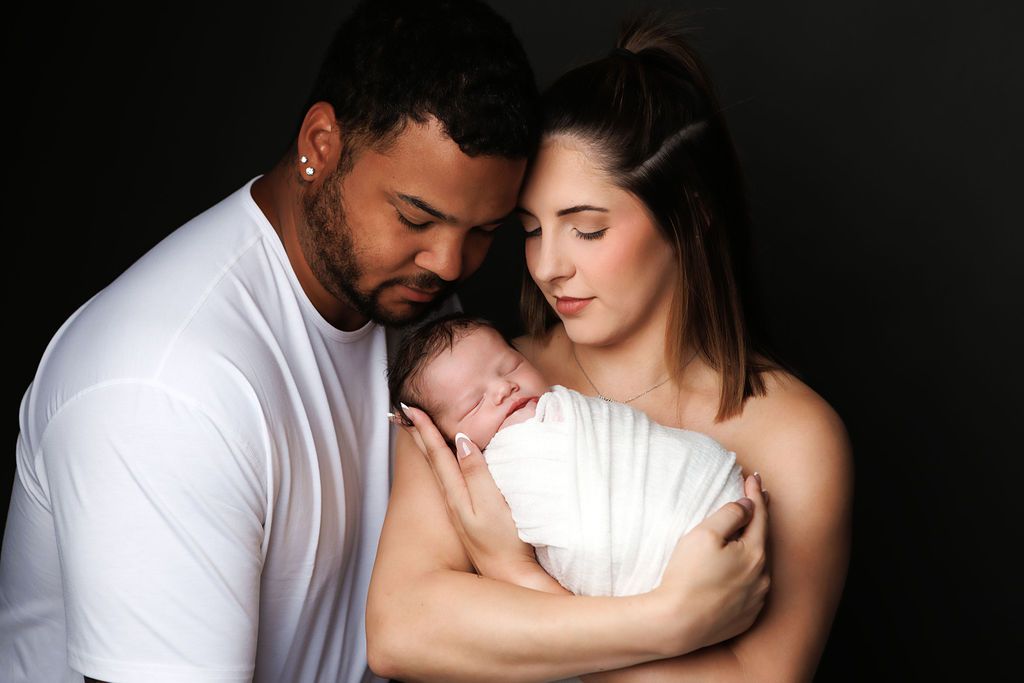
Choose neutral, simple outfits-think cream, beige, soft gray, navy or muted pastels-so faces stay the focus. Avoid large logos, busy patterns, and neon colors that distract. Coordinate tones across family instead of matching exactly; pick two main colors and a complementary accent. Plan one comfortable outfit for toddlers that allows movement and one nicer layer for group portraits.
Bring one or two backup outfits-toddlers get messy and a 2-3 hour session means spills happen. Prefer natural fabrics like cotton or linen for matte texture; heavy synthetics can shine under lights. For quick coordination try dad in a navy shirt, mom in a cream blouse with a textured knit, and kids in muted greens or soft denim. Remove shoes for studio shots when appropriate, and save busy patterns for candid play photos rather than the main family portrait.
Engaging Siblings
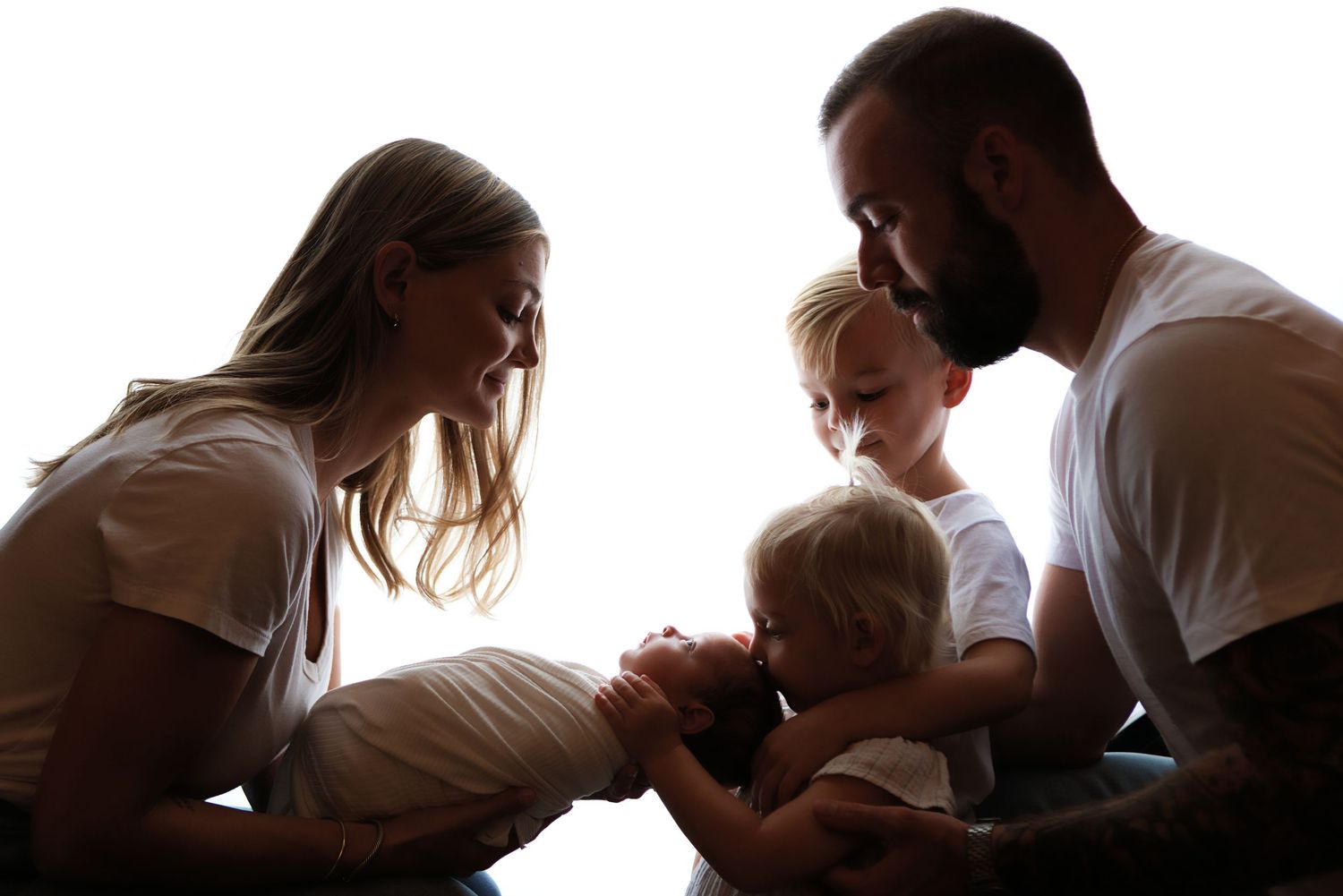
You'll treat the 2-3 hour session like a mini event: bring snacks, devices for older kids, and plan bribery for quick cooperation. Schedule around a toddler's nap for better moods; when toddlers are involved we build family and sibling portraits around their rhythms and usually do group shots first so they can warm up. After the family and sibling portraits we focus solely on baby, keeping outfits neutral and simple.
Tips for Keeping Older Kids Engaged
Give older kids clear, short tasks-hold a prop, stand on a mark, or count to three-and use devices as downtime between poses. Offer one small reward for cooperation and keep transitions fast so attention stays high. Assume that a five-minute favorite show or a promised treat will often deliver the smile you need.
You should let toddlers set the pace: I have toys in the studio and we base family and sibling portraits around their comfort, so timing is everything-aim for sessions around nap time. If a toddler needs to acclimate, we spend a few minutes exploring and doing family portraits first, then move to baby once they're settled, using bribery and short breaks as needed.
Give the toddler 5-10 minutes to explore the set before formal shots; bring a favorite toy or blanket to anchor them. Try scheduling the session 30-60 minutes after nap for peak cooperation, and be ready for 2-3 hour flexibility-quick wins are one good family pose, a sticker promise, then a short snack break before the next round. Neutral outfits help reduce fuss over clothes and keep focus on expressions.
Techniques for Success
Plan for a 2-3 hour session so you can build in feedings, breaks and outfit changes. Schedule around your toddler’s nap to increase the odds of calm sibling portraits, and start with family and sibling shots unless a little one needs 10-15 minutes to adjust to the studio. Bring neutral, simple outfits and a backup set; that keeps the focus on faces and connection, not clothing, and helps you move efficiently from family to baby-only images.
Using Snacks and Bribery
Have snacks and small, immediate rewards ready to keep cooperation high-think one favorite cracker, a sticker, or a five-minute device break after a few poses. Offer concrete incentives between sets so kids know what they’re working toward, and plan short wins: two or three quick family poses, then a reward. Families that bring familiar snacks and predictable incentives tend to get better smiles and faster transitions during longer sessions.
Utilizing Studio Toys and Props
Use the toys I provide plus one or two of your child’s favorites to direct attention and spark natural interaction; 3-4 simple props often beat complex setups for toddlers. When you bring a beloved stuffed animal or small car, I’ll weave it into sibling poses so the older child leads the moment, keeping the session playful and helping the newborn stay relaxed.
In a recent session with a two-year-old who was hesitant, introducing a small flashlight and a red ball turned resistance into play and produced several great sibling shots within the first 20 minutes, letting us finish family portraits before nap time. You should bring one familiar item; I keep extras like bubbles, a wooden car and soft animals to match ages and keep each setup under 10 minutes.
Capturing the Essence of Family
Working within a 2-3 hour session, you build in time for snacks, device breaks and brief warm-ups so everyone stays cooperative; schedule around the toddler’s nap for the best results. Family and sibling portraits usually come first unless a toddler needs a slow studio warm-up, in which case you give them 10-20 minutes to settle. Neutral, simple outfits keep the focus on connection, and small bribes like stickers or a favorite treat often unlock genuine smiles and quick cooperation.